
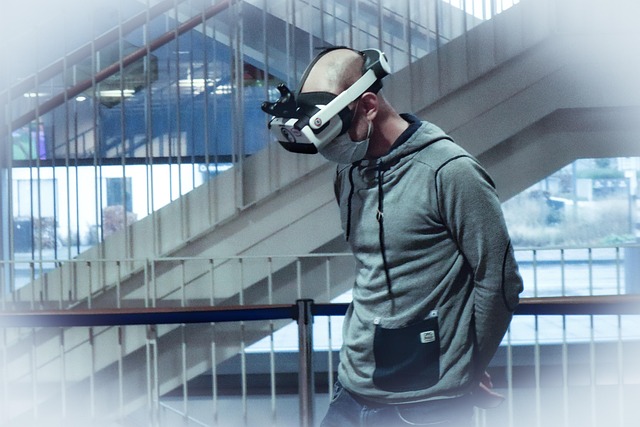
Gaming at a Crossroads
The gaming industry is entering a transformative era—one that goes far beyond traditional screens and controllers. Driven by advancements in technology and changing player expectations, gaming is evolving into fully immersive, interactive experiences that blur the lines between the digital and physical worlds.
The Evolution Beyond Screens
We’re moving past flat displays and static interfaces. Whether it’s through mobile devices, smart glasses, or console innovations, today’s games bring players into the action, not just in front of it.
- Mobile devices are becoming key access points for immersive AR content
- Game environments are increasingly mapped onto real-world spaces
- Spatial computing allows players to interact with characters and elements anchored to their physical surroundings
AR and VR: From Hype to Real Application
Augmented Reality (AR) and Virtual Reality (VR) are no longer tech demos or niche experiences. These technologies are actively reshaping game development and player engagement.
- AR overlays digital content onto the real world, changing how players move, explore, and solve problems in everyday spaces
- VR transports players into fully realized worlds, deepening emotional connection and offering expansive, story-rich environments
- Both technologies now benefit from better hardware, lower costs, and more robust content libraries
A New Kind of Player Interaction
Gaming is becoming a participatory medium where physicality, movement, voice, and even emotion are inputs. This shift changes how players:
- Explore: Players are no longer limited to what’s on-screen—they move through virtual or augmented spaces
- Interact: Gameplay now uses gestures, gaze tracking, voice commands, and haptic feedback
- Immerse: With sensory-rich experiences, players feel as though they’re inside the game narrative, not just observing it
In short, gaming is reaching new dimensions—where players don’t just play the game. They exist within it.
Augmented Reality (AR): Blending Game with Life
AR isn’t just a buzzword anymore—it’s evolving fast, and it’s already reshaping how we play. The gear is the first giveaway. Headsets, glasses, and wearables are shrinking. They’re lighter, smarter, and no longer a brick strapped to your face. Even phones can power AR with surprising precision, meaning entry into augmented spaces doesn’t require top-end tech anymore.
But the real innovation? It’s in the environment. Sidewalks, parks, coffee shops—those are the new game boards. AR is integrating gameplay with real-world locations, not simulating reality but weaving into it. Games like Pokémon Go set the bar early, but newer entries—like “Peridot” or “Space Invaders: World Defense”—are pushing it further, fusing narrative, movement, and even daily habits.
And it’s barely warming up. AR is flowing into fitness through apps that turn your morning jog into a quest. It’s becoming an educational tool, overlaying ancient history on present-day cities. Even social platforms are flirting with AR overlays for meetups and shared experiences.
The bottom line: AR is no longer about escaping reality. It’s about enhancing it. For developers and players alike, the message is clear—your surroundings are part of the game now.
Virtual Reality (VR): Full Immersion Meets Accessibility
The VR space isn’t stuck in the fringe anymore. Headsets have finally shed their clunky reputation—lighter builds, wireless freedom, and competitive pricing have brought VR gaming to the masses. Devices like the Meta Quest series and offerings from Pico are making it easier for players to plug in without breaking their necks—or the bank.
Under the hood, power matters. More processing muscle means we’re no longer just swinging virtual swords—we’re making real choices in fully realized interactive worlds. Developers are leaning hard into narrative design and giving players actual agency. It’s not just about flash—it’s about feeling like part of the world. From open-world survival sims to emotional story arcs, VR is pushing the boundary beyond gimmicks into something deeper.
And it’s getting social. VR chatrooms were the warm-up act; now we’re seeing hybrid multiplayer games that mix physical movement, teamwork, and spatial audio to create experiences you can’t replicate on a flat screen. Friends across the world can meet up in a dojo, a dungeon, or a dance-off.
Still, the ceiling’s not glass—it’s concrete in places. Motion sickness, limited battery life, and clunky UX keep VR from going fully mainstream. But there’s no shortage of momentum. Innovators like Valve, Meta Reality Labs, and open-source dev communities are pushing hard to make hardware smarter, visuals sharper, and navigation more intuitive. The next big leap is coming—it just hasn’t landed… yet.
Beyond Headsets: The Next Frontiers
The world of immersive gaming is fast evolving past basic hardware like VR headsets. Developers and technologists are tapping into new interfaces and sensory inputs to create truly embodied gameplay experiences.
Neural Interfaces & Biometric Gameplay
Gaming is pushing into realms that once belonged to science fiction. Neural input—where a player’s intent or emotional state can influence the game—is advancing with new research and prototypes.
- Emerging tech allows players to control in-game actions using brain signals
- Emotion-tracking could change storyline direction or difficulty in real time
- Biofeedback systems respond to heart rate, stress level, or focus
These integrations are still in early stages, but they signal a future in which the player’s body and mind are core controllers of gameplay.
Haptics: Feeling the Game
While we’ve gotten used to visual and auditory immersion, touch is the next big sensory frontier.
- Haptic suits, gloves, and vests offer physical feedback during play
- Players can feel impact, tension, or even texture through adaptive gear
- New developments in ultrasonic and skin-contact haptics are extending realism
This tactile layer adds an emotionally grounded dimension to play—engagement is no longer just about what you see, but what you physically experience.
Cloud Gaming as an Immersive Backbone
As AR/VR games become more dynamic and complex, local hardware might not keep up. That’s where cloud gaming steps in.
- Offloads heavy computation to remote servers, freeing up devices
- Makes high-fidelity immersive experiences accessible on lighter hardware
- Reduces latency for smoother multiplayer and real-time adjustments
In short, the cloud is removing technical bottlenecks so immersive design can flourish.
Crossing Genres: Storytelling, Fitness, and Interactivity
Immersive tech is dissolving the walls between entertainment, wellness, and education. Games are becoming full-body, multifaceted experiences.
- Narrative games integrate fitness goals and movement-based mechanics
- Meditation and mindfulness games use biometric input to tailor sessions
- Interactive storytelling borrows from cinema, therapy, and even theater
This genre fusion is expanding the definition of gaming—and attracting new types of players who might not call themselves “gamers” at all.
Design Matters: Building for the Senses
Even the best visuals fall flat without the right sound. In today’s games, audio isn’t just background noise—it’s a core part of the experience. The hiss of wind through an open canyon, the dull thud of footsteps in a bunker, a score that shifts with player choices—sound pulls you deeper in. It’s not just about aesthetics anymore; it’s about emotion, tension, and immersion.
Studios are leaning into this. Sound designers are treated like architects of atmosphere. Whether it’s a subtle ambient loop or a dynamic soundtrack that adapts in real-time, audio now drives gameplay just as much as visuals or mechanics. Think less “on-screen noise,” more “360-degree presence.”
This isn’t limited to big-budget titles, either. Indie developers are proving that thoughtful audio can boost immersion even on a lean budget. Creating a believable world means building for the senses, not just sight.
For more on how sound shapes game design, check out The Role of Music and Sound in Video Game Design.
What This Means for Players and Creators
The future of gaming isn’t just about richer worlds and better tech—it’s also about who’s creating them and how. The rise of AR and VR is reshaping the skills, tools, and collaboration methods that drive game development.
Evolving Skillsets: From Coders to Experience Designers
Game development is expanding beyond traditional programming roles. As immersive experiences become more sensory-driven, developers are now expected to think like storytellers, architects, and behavioral analysts.
- Experience design is just as critical as strong code
- Skills in spatial storytelling, UX, and sensory integration are in demand
- Creators must understand how players move, think, and react in 3D space
Indie Innovation on the Rise
One of the biggest shifts? The tools are more accessible than ever. Small teams—and even solo devs—are entering the AR/VR space thanks to platforms like Unity, Unreal Engine, and WebXR frameworks.
- Affordable dev kits and open-source tools are lowering barriers to entry
- Indie developers are pushing creative boundaries without big studio constraints
- Grassroots innovation is fueling new genres and mechanics
Player Feedback Is Reshaping Games Early
In this immersive era, players are often part of the dev cycle—not just the end users. Developers are increasingly turning to communities to co-build better experiences.
- Early builds released via Patreon, Discord, or open beta platforms
- Player data and live feedback shape updates, fixes, even core mechanics
- Community-backed development leads to stronger player retention and brand loyalty
Games aren’t just built for players—they’re now built with them.
Looking Ahead
Will we still call it “gaming” in 10 years? Maybe not. The word barely covers what’s already happening—immersive narratives, real-world overlays, fitness routines that feel like quests. As boundaries blur between platforms, genres, and use cases, the term “gaming” feels like a shrinking box around something much bigger.
AR and VR are shifting from being just platforms to fully integrated ecosystems. They’re no longer side projects or add-ons; they’re becoming central to how people learn, move, connect, even work. Think less “video game” and more “interactive reality layer.” We’re entering a space where anything from workouts to therapy could be gamified, visualized, and shared through these mediums.
If there’s one takeaway: don’t blink. Innovation is firing on all levels. From small indie devs crafting story-driven AR experiences to biotech researchers developing brain-synced interfaces, it’s a landscape in flux. Stay curious. That mindset might be the best controller we have for where it’s all heading.