
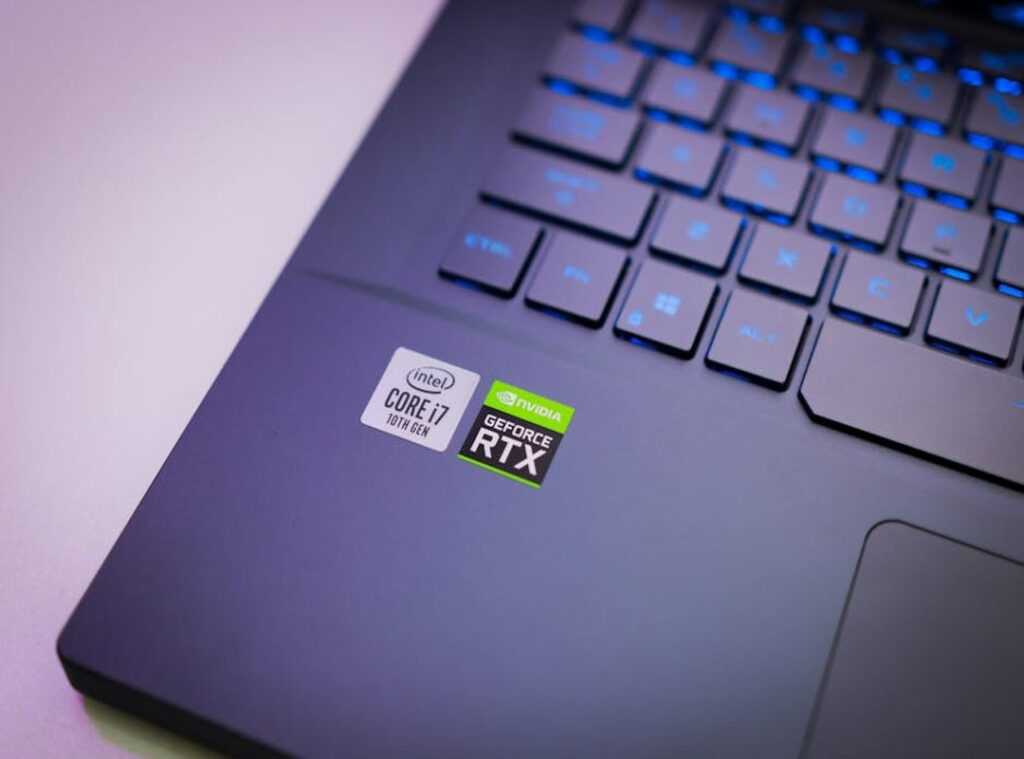
I just dropped $800 on a new GPU.
Then saw a game launch six weeks later that somehow ran better on my old card.
You know that sinking feeling. That mix of rage and embarrassment. Like you got played by a press release.
How Often Should I Upgrade My Gpu Jogameplayer?
There is no right answer. Not one that applies to everyone.
Marketing says every two years. Your Discord server says every season. Your wallet says never.
I’ve benchmarked real games (not) synthetic tests. Across RTX 30, 40, and early 50-series previews. Tracked how driver updates actually affect your load times.
Watched how Unreal Engine 5.3 changed what even mid-tier cards can handle.
This isn’t about hype cycles. It’s about your monitor, your games, your budget.
You’ll get a clear system. Not a calendar. Not a rule.
A way to ask the right questions (and) get honest answers.
No fluff. No jargon. Just what works.
Right now. For you.
GPU Obsolescence Isn’t About FPS. It’s About What Your Card
I stopped caring about average FPS the day I watched my RTX 3060 Ti choke on a path-traced shadow in Alan Wake 2. It hit 62 FPS. Felt like 30.
Raw rasterization is dead as a bottleneck. Unreal Engine 5 and Unity DOTS don’t care how fast your shader cores crunch pixels. They care if your VRAM bandwidth can feed them fast enough.
And if your driver stack doesn’t accelerate ray tracing at the hardware level? You’re not “almost there.” You’re locked out.
That’s why the RTX 3060 Ti held up at 1440p until late 2023. NVIDIA kept patching it. The GTX 1080?
Died in 2021 after Cyberpunk 2077 dropped its first path-tracing update. No warning. Just stutter.
Then crash.
Average FPS lies. Frame time consistency doesn’t. A GPU that dips to 12 FPS for 3 frames every second feels unplayable.
Even if its average is 60.
DLSS 4.0 won’t save you if your card lacks the tensor core generation or memory bus width to feed it clean data.
So how often should you upgrade?
How Often Should I Upgrade My Gpu this page isn’t a calendar question. It’s a “can it handle the next engine’s memory pressure” question.
If your last game stutters on load screens, or shadows pop in late (you’re) already behind.
Not broken. Just irrelevant.
Buy for bandwidth. Not specs.
Your Usage Profile Is the #1 Factor (Not) Release Dates
I used to chase GPU release dates like they were cheat codes.
They’re not.
Your actual habits decide everything. Not hype. Not benchmarks.
Not what some guy posted on Reddit last Tuesday.
Competitive players need sub-5ms input latency and stable 240+ FPS at 1080p. Not just “smooth.” Not just “60 FPS is fine.” If your CS2 crosshair stutters when you flick, that’s your GPU (not) your mouse.
AAA single-player gamers? You care about textures holding up in Baldur’s Gate 3’s Underdark. Or Starfield’s nebulae at 4K.
That means VRAM headroom. Not raw speed. You’ll hit a wall at 12GB before you ever notice frame time variance.
Content creators gaming and streaming? AV1 encode matters. DLSS/FSR isn’t optional (it’s) how you keep OBS from eating your FPS alive.
VR or 4K/120Hz? You’re not upgrading “soon.” You’re upgrading now. Because 16GB VRAM isn’t luxury.
It’s baseline.
Ask yourself:
Do you mod games? Do you stream while playing? Does your current GPU drop below 100 FPS in Cyberpunk at max settings?
Does VR feel sluggish?
Check three of those? Your upgrade window is likely within 12 months.
How Often Should I Upgrade My Gpu Jogameplayer?
Answer depends entirely on what you do (not) what’s new.
No magic number. No calendar rule. Just honest use.
You know what your rig struggles with. I’m just naming it.
The 3-Stage GPU Lifespan Test: Monitor, Stress, or Swap
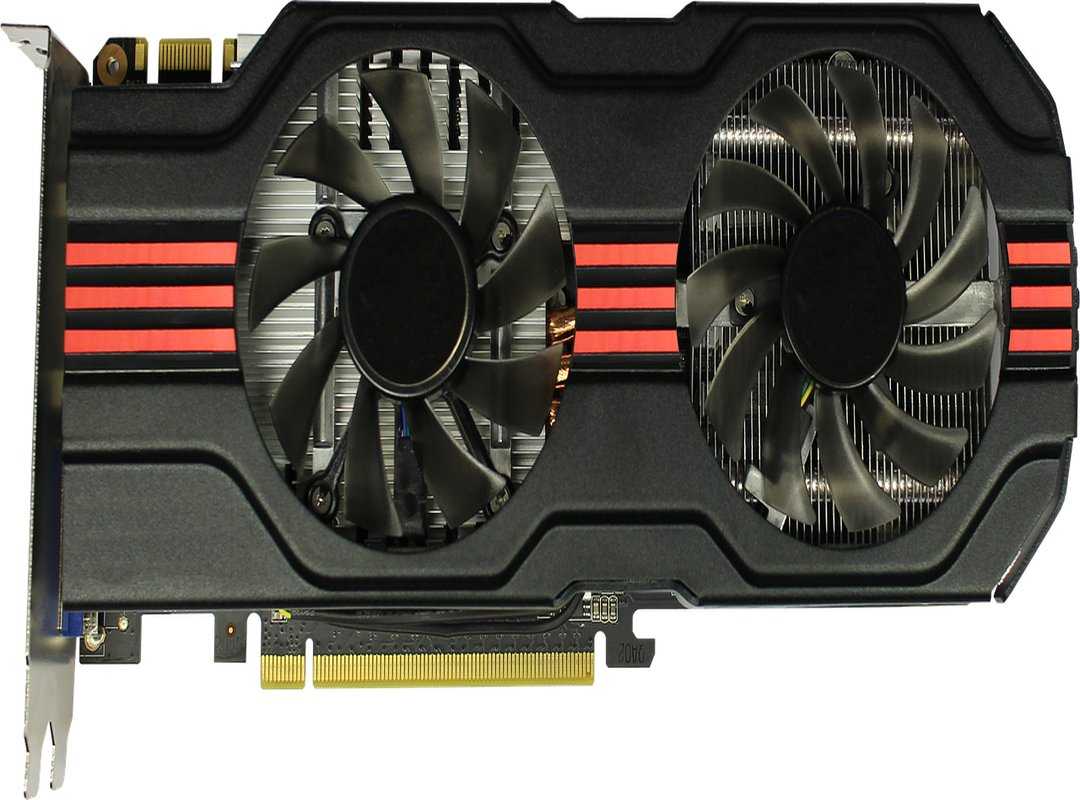
I watch my GPU like a hawk. Not because I love it (but) because I hate surprise stutter.
I go into much more detail on this in Best Cheap Gaming.
Stage 1 is Monitor. First 1 (2) years after buying? Just watch.
Open Task Manager during your worst-case scene (Cyberpunk) RT Overdrive, Starfield maxed, whatever breaks you. Track frame time variance and VRAM usage. If VRAM hovers above 90%, that’s not normal.
That’s a warning shot.
You’re not failing. Your card is just getting tired.
Stage 2 is Test. Frame times look weird? Stutters creep in?
Run 3DMark Time Spy Extreme and play your actual games at native settings for 45 minutes. Not five minutes. Forty-five.
Real stress. Not benchmarks pretending to be real.
If your average stays steady but the minimums dip below <45 FPS minimum, something’s wrong. Not “maybe.” Wrong.
Here’s what no one tells you: a new Game Ready driver can lift performance by 15% or more. That’s not magic. It’s optimization catching up.
Document your numbers before updating. Don’t blame the hardware until you rule out the software.
Stage 3 is Replace. Sustained <45 FPS minimum across two new AAA titles? Texture pop-in from VRAM saturation?
You’re done. No debate.
How Often Should I Upgrade My Gpu Jogameplayer? Ask that question after you’ve run these three stages. Not before.
For budget-minded swaps, I lean into the Best cheap gaming pc upgrades jogameplayer list. It skips fluff and names exact parts that move the needle.
Your GPU isn’t dying. It’s telling you something. Listen.
Then act.
Avoiding the Upgrade Trap: Wait. Just Wait.
I waited 27 months to upgrade my GPU. My RTX 3080 still runs Cyberpunk at 60+ fps with DLSS 3.5 Frame Generation enabled.
That’s step one: let DLSS 3.5 Frame Generation. It’s free. It’s in your NVIDIA Control Panel.
Turn it on before you even think about shopping.
Step two: NVIDIA Reflex + Low Latency Mode. Set it to “On + Boost.” You’ll feel it in Valorant or CS2 (no) new hardware needed.
Step three: VRAM-saving mods. Elden Ring runs smoother on a 3070 if you downsample textures manually. A five-minute config tweak beats a $900 card.
New APIs like DirectX 12 Ultimate only matter if your GPU lacks mesh shaders. Mine doesn’t. Yours might not either.
RTX 4070 beats RTX 4080 in some 1080p esports titles. Lower latency tuning wins over raw core count.
What else could $800 buy? A 240Hz monitor. A proper mechanical keyboard.
A thermal repaste kit that adds 12°C headroom.
You’re not behind. You’re just not done optimizing.
How Often Should I Upgrade My Gpu Jogameplayer? Ask yourself what actually bottlenecks your play. Not what the ad says.
When Should I Upgrade My Gaming Pc Jogameplayer
Your Next Upgrade Starts Tonight
I’ve said it before. I’ll say it again.
How Often Should I Upgrade My Gpu Jogameplayer? Not when Nvidia drops a new card. Not when your Discord server votes.
When your games stop running the way you need them to.
You already know what stutters feel like. You know that lag spike in the boss fight. That’s your signal.
Not some calendar date.
So tonight, open Task Manager during gameplay. Watch VRAM and GPU usage hit their peak in a heavy scene. Write it down.
That number tells you more than any review ever could.
Most people wait too long. Or upgrade too soon. Both waste money.
Both hurt playtime.
Our free GPU Viability Scorecard uses your real data (not) hype. To give you a clear 6/12/18-month readiness forecast.
It takes two minutes.
Your next upgrade shouldn’t be dictated by Nvidia’s launch schedule (it) should be timed to your highest-value play experience.
Download the Scorecard now.


