
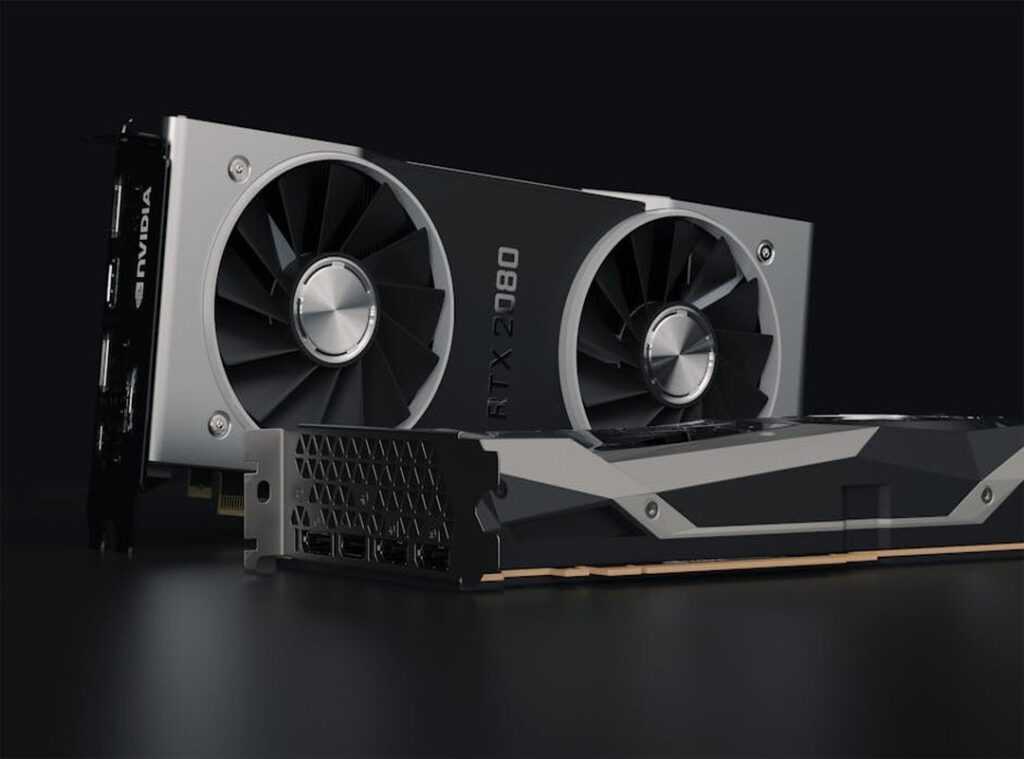
You’re tired of staring at your rig wondering if it’s time to upgrade again.
Or worse. You wait too long and suddenly your favorite game stutters like it’s running on dial-up.
I’ve built, benchmarked, and upgraded high-end gaming PCs for over a decade. Not theory. Not YouTube guesses.
Real rigs. Real games. Real bottlenecks.
So let’s cut the noise.
There is no magic number for How Often Upgrade Gaming Pc Jogameplayer.
That calendar-based panic? It’s useless. Performance doesn’t care about dates.
I’ll show you exactly what to watch for. The real signs your system needs work.
Not marketing hype. Not forum myths. Just clear triggers: frame drops, texture loading lag, CPU spikes in GPU-heavy titles.
You’ll walk away knowing when to upgrade (and) what to upgrade first.
No anxiety. Just confidence.
Upgrade Triggers: When Your Rig Screams for Help
Jogameplayer taught me one thing fast: waiting two years to upgrade is lazy.
I used to follow that “upgrade every 2. 4 years” rule. Then I watched my RTX 3070 choke on Cyberpunk 2077: Phantom Liberty at 1440p. 52fps, stuttering, thermal throttling like it was August in Phoenix.
That wasn’t a calendar event. That was a Target Framerate Trigger.
You set your line in the sand. Mine is 100fps in competitive shooters at 1440p High. Not 98.
Not “most of the time.” 100. Every match.
When Starfield launched and my CPU spiked to 100% while GPU sat at 65%, that was the New Tech Trigger. DirectStorage wasn’t just hype (my) NVMe couldn’t keep up. Game loading went from 8 seconds to 42.
You feel it before you see it. Stutters. Long waits.
That little voice saying this shouldn’t be this hard.
Then there’s the Game Requirement Trigger. Not “it runs,” but how. If you’re dropping settings to Low just to hit 60fps in a new AAA title (and) you paid $80 for it.
That’s not patience. That’s punishment.
Define your baseline before the pain hits. Write it down. Stick it on your monitor.
Is your rig holding you back. Or holding you hostage?
How Often Upgrade Gaming Pc Jogameplayer isn’t about time. It’s about thresholds.
Your turn. What’s your hard limit? Not “good enough.” Not “fine for now.” A real number.
A real setting. A real game.
If you can’t name it, you’ll keep upgrading blindly.
And nobody wins that way.
How Often Upgrade Gaming PC: Real Talk From My Desk
I upgrade my GPU every two years. Not because I have to. Because I want to.
Graphics cards drive gaming performance more than anything else. They’re the first thing you notice when a game stutters or looks blurry. And they age fast.
You’ll feel it before the benchmarks do.
CPU, motherboard, and RAM? I bundle those every five years. Maybe six if I’m lazy (and I am).
Recent CPU gains are smaller. You won’t see 30% jumps like in the early 2010s. More like 8%.
So I wait.
And yes. I swap all three at once. Because mixing old sockets with new CPUs is a headache no one needs.
(Trust me. I tried it.)
Storage upgrades happen when I run out of space. Or when NVMe finally drops below $40 for 1TB. SATA SSDs still work fine.
But PCIe 4.0 is worth it now. PCIe 5.0? Overkill unless you’re editing 8K video on your gaming rig.
PSU and case? I’ve had mine since 2017.
I only upgrade the PSU when a new GPU demands more watts. Or when the fan starts sounding like a dying seagull.
Cases last forever. If you pick one with decent airflow and cable management. Mine still fits everything.
Even that giant RTX 4090.
So how often upgrade gaming pc jogameplayer? Every two years for GPU. Every five for CPU platform.
Storage as needed. PSU and case. Almost never.
Pro tip: Write down your last upgrade date. Tape it to your case. You’ll thank yourself later.
Most people over-upgrade. I used to be one of them. Then I realized my 3080 still crushes 1440p.
No need to chase the 4090 just because it exists.
I wrote more about this in Top monitors for movies jogameplayer.
The Enthusiast Sweet Spot: Where Performance Stops Wasting Money

I stopped chasing flagships years ago.
Not because I don’t care about speed. But because I do.
The enthusiast sweet spot is real. It’s usually the second-tier part. RTX 4070 Ti over 4090.
Ryzen 7 over Ryzen 9. You get 90% of the gain for 60% of the price.
Here’s what no one tells you: paying 50% more for a top GPU often gives you just 15 (20%) more frames. That gap shrinks further at 1440p or higher. At 4K?
Sometimes it’s single digits.
So how do you find your sweet spot?
Step one: define your target. Not “fast,” but “1440p at 120fps in Cyberpunk.”
Be specific. Vague goals waste money.
Step two: go straight to benchmark sites. Look for real-world tests. Not synthetic scores.
Watch how parts behave in your games, not just Assassin’s Creed.
Step three: pick the cheapest part that consistently clears your target. If an RTX 4070 hits 120fps in every game you play? Don’t buy a 4070 Ti.
Timing matters too. New GPUs drop. Last-gen stock floods the market.
Prices crater. That’s when you grab a used 3080 or a discounted 6800 XT (and) pair it with one of the Top Monitors for Movies Jogameplayer for actual payoff.
How Often Upgrade Gaming Pc Jogameplayer?
Every 3. 4 years. If you picked right the first time.
Skip the hype cycles. Ignore the “must-have” listicles. Build around what you do, not what influencers pretend to do.
I’ve seen people spend $2,000 on a CPU they’ll never fully load.
Don’t be that person.
Your wallet will thank you. Your frame times won’t suffer. And you’ll finally have money left for something else (like) a decent chair.
Bottlenecks Are Real: Stop Wasting Cash on Upgrades
I’ve watched people drop $800 on a new GPU (then) boot up and wonder why Cyberpunk still stutters.
They paired it with a 2015 i5. That CPU can’t feed the card fast enough. It’s like bolting a V8 into a golf cart.
The engine screams. But the wheels spin in place.
CPU bottleneck is the silent budget killer.
You don’t need to upgrade every part at once. But if your CPU is older than your last phone, skip the shiny GPU. Fix the choke point first.
Another mistake? Ignoring RAM speed and capacity. DDR4-2133 won’t cut it with Ryzen 7000 or Intel 13th-gen.
You’ll cap performance before you even load the game.
And yes (you) do need to ask yourself: How Often Upgrade Gaming Pc Jogameplayer? Not every year. Not after every new title drops.
But definitely before you blow cash on parts that won’t talk to each other.
What New Game Just Came Out Jogameplayer? Great question. Go check it out.
Then come back and build smart.
Don’t upgrade blind. Test first. Swap the weak link (not) the flashy one.
You Already Know the Answer
I’ve built, torn down, and rebuilt gaming rigs for over a decade.
You don’t upgrade on a calendar. You upgrade when something hurts (stuttering) in new games, loading times that make you sigh, fans screaming like jet engines.
How Often Upgrade Gaming Pc Jogameplayer? Not every two years. Not every five.
When your setup stops keeping up with what you actually want to play.
That lag in Cyberpunk? That crash in Elden Ring? That’s your signal.
Not a “maybe someday” signal. A now signal.
Most people wait too long. Then drop $2,000 fixing what $800 would’ve solved three months earlier.
I did it. You’ll do it too.
So ask yourself: what’s actually holding you back right now?
Go check your GPU usage while playing. Watch your temps. If either’s spiking, you already know.
Your turn.
Click here to get the exact parts list (ranked,) tested, updated weekly. For your current rig. We’re the #1 rated guide for real gamers who hate guesswork.


