
Adult bears, whether in the wild or in captivity, face a bunch of health issues. These can really mess with their quality of life and how long they live. osos maduros enfermedad is a big deal.
This article digs into the common health conditions that affect adult bears. You’ll find out about the symptoms, causes, and how to manage them. It’s all based on expert vet advice and the latest research.
If you’re involved in caring for or conserving adult bears, this info is essential. Let’s get into it.
Common Health Conditions in Adult Bears
Arthritis is a common issue in adult bears. It causes joint pain and inflammation, making it hard for them to move around.
Symptoms include limping, stiffness, and reluctance to stand or walk. Treatment options can include anti-inflammatory medications and physical therapy.
Dental issues are another big problem. Tooth decay and gum disease can cause serious pain and make it hard for bears to eat.
Regular dental check-ups and cleanings can help prevent these problems. If you notice any signs of dental issues, like bad breath or difficulty eating, get them checked out.
Obesity is a growing concern. Extra weight can lead to a host of other health problems, including heart disease and diabetes.
Managing a bear’s diet and providing regular exercise can help keep their weight in check. Make sure they have plenty of space to move and play.
Pro tip: Always consult with a wildlife veterinarian for specific advice on your bear’s health. They can provide the best guidance tailored to your situation.
Understanding osos maduros enfermedad is crucial for anyone caring for adult bears. Stay informed and proactive about their health.
Nutritional Needs and Diet-Related Conditions
Balanced Diet: Essential nutrients and dietary requirements for adult bears to maintain optimal health. It’s not just about filling their bellies; it’s about giving them what they need to thrive.
Malnutrition: Symptoms and long-term effects of malnutrition, and how to ensure a balanced diet. I once saw a bear with osos maduros enfermedad—a condition that can result from a poor diet. It was a wake-up call.
Food Allergies and Intolerances: Identifying and managing food allergies and intolerances in bears. Trust me, you don’t want to deal with a bear having an allergic reaction. It’s no fun for anyone.
I made the mistake of assuming all bears could eat the same things. Boy, was I wrong. Each bear has unique needs, and ignoring that can lead to serious health issues.
So, how do you avoid these pitfalls? Start by understanding the specific dietary needs of your bears. A little research goes a long way.
Pro tip: Always consult with a vet or a wildlife nutritionist. They can help tailor a diet that meets the individual needs of each bear.
Parasites and Infectious Diseases
Internal parasites can be a real pain. Types of internal parasites include worms like tapeworms and roundworms. Symptoms vary but often include digestive issues, weight loss, and fatigue.
Effective treatment methods usually involve medications prescribed by a doctor.
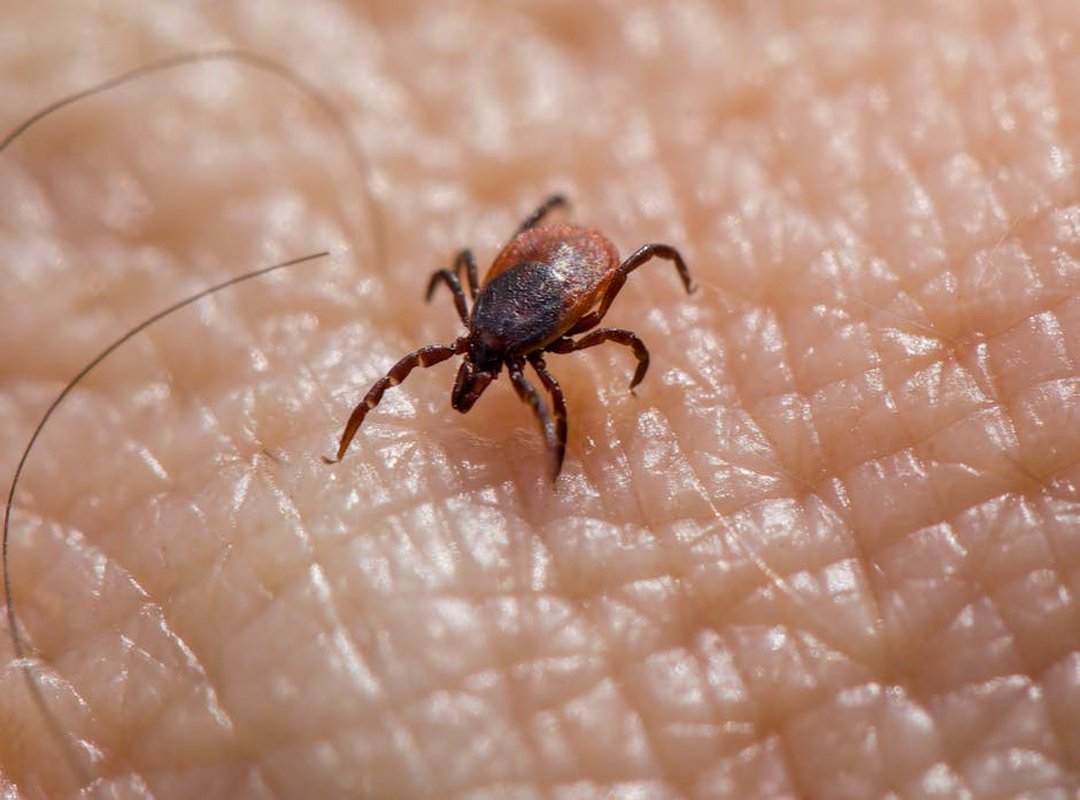
External parasites are no picnic either. Ticks and mites are common culprits. They can cause skin irritation, itching, and even transmit diseases.
Controlling them involves regular cleaning, using insecticides, and checking for infestations.
Infectious diseases are another big concern. Common ones include the flu, osos maduros enfermedad, and hepatitis. These diseases spread through various means—air, water, or direct contact.
Preventive measures like vaccinations, good hygiene, and avoiding contaminated areas can help.
For more detailed information and tips, check out Playbuzzblast.
Stress and Anxiety: Causes of stress and anxiety in adult bears
Stress and anxiety in adult bears can come from a variety of sources. Environmental changes, like new enclosures or loud noises, can trigger these feelings. Even the presence of unfamiliar animals or people can cause stress.
Creating a Stress-Free Environment
To create a stress-free environment, it’s essential to keep things as natural and familiar as possible. This means maintaining a consistent routine and minimizing disruptions. Providing plenty of space and hiding spots also helps.
Behavioral Problems: Common behavioral issues
Common behavioral issues in adult bears include aggression, pacing, and self-mutilation. These behaviors often stem from underlying stress or anxiety. Understanding the root cause is key to addressing them effectively.
Strategies for Behavior Modification and Training
Behavior modification and training can be highly effective. Positive reinforcement, such as rewarding good behavior with treats or praise, works well. Consistency is crucial.
Regular training sessions help build trust and reduce anxiety.
Osos maduros enfermedad can also contribute to behavioral issues. It’s important to consult with a vet to rule out any medical conditions.
By focusing on the bear’s overall well-being, you can make significant improvements in their behavior and quality of life.
Preventive Care and Regular Check-Ups
Regular veterinary visits are a must. They help catch issues early, before they become serious.
During a check-up, the vet will look at your bear’s eyes, ears, and mouth. They’ll listen to the heart and lungs. The vet will also feel for any unusual bumps or swelling.
Vaccinations are crucial too. They protect against diseases that can be deadly. For adult bears, the recommended vaccinations include those for osos maduros enfermedad, rabies, and distemper.
The vet will give you a schedule. Stick to it. It’s like a shield for your bear’s health.
Remember, a healthy bear is a happy bear. And a happy bear makes for a much more enjoyable companion.
Ensuring the Longevity and Well-Being of Adult Bears
The article discusses several key health conditions that can affect osos maduros enfermedad. Regular check-ups, a balanced diet, and a stress-free environment are crucial for their well-being. Proactive management helps in early detection and treatment of potential health issues.
A balanced diet is essential to provide all necessary nutrients. Stress reduction through a suitable habitat and minimal human disturbance also plays a vital role.
Stay informed about the specific needs of adult bears. Seek professional veterinary advice to ensure they receive the best possible care.


