
Intro: The Console Wars Never End
From living rooms in the ’80s to dorm rooms in the 2000s, gaming consoles have influenced how entire generations play, compete, and relax. These machines weren’t just boxes under the TV—they’ve been cultural lightning rods, shaping music, style, even how we talk. Each generation had its champion, and each battle left its mark.
But this isn’t just about nostalgia. The best consoles didn’t just play games—they changed the game. Smart hardware design, breakthrough tech, a library that kept people coming back—that’s what separates the classics from the forgettable. These systems defined eras not just through sales, but through influence. They set standards other platforms copied. They brought people together.
This poll isn’t about picking personal favorites. It’s about finding the true greatest of all time. The GOAT. The console that didn’t just win its gen—it moved the whole industry forward. Time to settle the debate.
Nintendo Entertainment System (NES) There’s before the NES, and there’s after. In the early ’80s, the gaming industry was on life support, buried under a pile of bad ports and worse business calls. Then Nintendo dropped the NES—and everything changed. It was simple but sharp: a gray plastic box with clean lines and zero fluff. Inside, it had magic.
This was the console that gave us Super Mario Bros., The Legend of Zelda, and Metroid. Talk about starting a dynasty. It didn’t just launch games—it launched icons. The NES proved video games weren’t a passing fad. It turned living rooms into arcades and made household names out of pixelated plumbers and space hunters.
Sega Genesis If the NES was the revolution, the Genesis was the rebellion. Sega didn’t just join the fight—it pushed it. Coming in hot with better graphics, faster gameplay, and a loud ‘90s attitude, the Genesis went toe-to-toe with Nintendo and made console wars a household term.
Sonic the Hedgehog was Sega’s answer to Mario—faster, cooler, all sneakers and speed lines. “Blast processing” may’ve been a marketing myth, but the concept stuck: this console felt faster. With sports titles, arcade ports, and its edgier vibe, the Genesis stood out. It was for the kids who rolled their eyes at Saturday morning cartoons and stayed up late finishing Mortal Kombat.
PlayStation 2 The PS2 didn’t just win the console race—it lapped the field. With over 155 million units sold, it’s the best-selling console ever. But numbers alone don’t tell the story.
Sony nailed two things: timing and versatility. DVDs were taking over, and suddenly you had a console that also played movies. It was sleek. It was quiet. And it had juggernaut games—GTA, Metal Gear Solid, Final Fantasy X, God of War. The library was endless. On top of that, it was your entertainment hub.
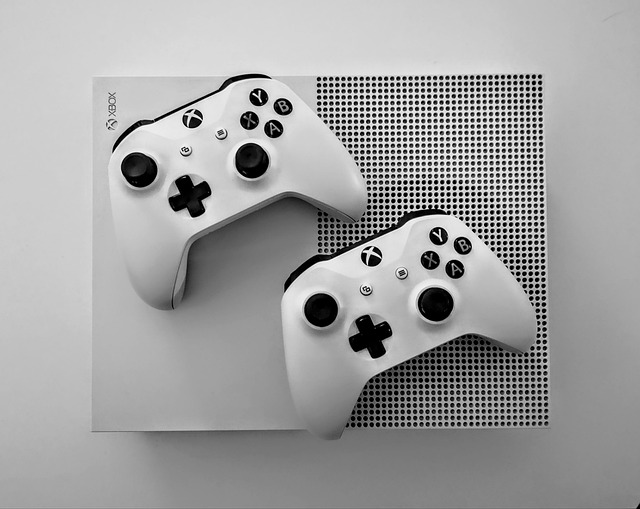
Xbox 360 Microsoft’s Xbox 360 was a pivot point. This wasn’t just about great games (though Halo 3 and Gears of War delivered); it was about how games were played and bought moving forward.
Online multiplayer became the norm, not the bonus. Xbox Live created real infrastructure for competitive and co-op play. The digital store opened up new ways to get content. And even hardware like Kinect kicked off the motion-control wave. Bugs and red rings aside, it paved the way for modern gaming as we know it.
Nintendo Switch Few consoles manage to bridge casual and hardcore. The Switch does it with ease. Handheld or docked, solo or co-op, in bed or on a plane—it just works. The brilliance is in the freedom.
Flagship games (Breath of the Wild, Animal Crossing, Mario Odyssey) sit next to a thriving indie scene. And somehow, it still has room for remastered gems from consoles past. The Switch didn’t just revisit Nintendo’s strengths—it redefined what a modern console could be.
Other fan-favorites worth mentioning GameCube had a cult following and punchy exclusives. Dreamcast, a technical marvel ahead of its time, died too fast. SNES gave us pixel-perfect classics. PlayStation 1 introduced gamers to 3D worlds that changed everything. And PlayStation 5, still finding its long-term place, continues to push performance and immersion.
These systems aren’t just machines—they’re memory makers. And every fan has their hill to die on.
What Makes a Console ‘The Best’?
When deciding which gaming console deserves the title of “Greatest of All Time,” it’s not just about sales numbers or nostalgia. There are key factors that elevate a console from popular to legendary status.
Core Criteria for GOAT Status
To fairly compare systems across decades, consider these essential pillars:
- Library Depth and Quality
The breadth of games available—and how influential or replayable they are—often makes or breaks a system. A great console needs a mix of iconic franchises, innovative indies, and genre-defining hits.
- Innovation and Hardware Influence
Did the console introduce new ways to play? Whether it’s motion controls, cloud gaming, or portability, influential hardware shifts help define entire generations.
- Longevity and Legacy
A console’s lifespan and its continued relevance matter. Did the system outsell expectations? Are games still talked about—or even played—today?
- Player Experience and Cultural Relevance
The emotional impact counts. Consoles that became social hubs, defined childhoods, or brought communities together leave a permanent mark on gaming culture.
The Generational Split
What makes a console “the best” can depend heavily on when you grew up:
- ’80s and early ’90s gamers may favor the NES or Genesis because these systems marked the true beginning of console gaming at home.
- 2000s-era players might point to the PlayStation 2 or Xbox 360 for their multiplayer ecosystems and expansive libraries.
- Newer gamers often lean toward the Switch and PlayStation 5—consoles that reflect modern gaming needs: flexibility, graphics power, and access to both classic and current titles.
Ultimately, greatness is both personal and shared. While the debate rages on, it’s the richness of these varied experiences that keeps the console wars alive—and worth revisiting.
What the Community Is Saying
Early poll results are in, and the PlayStation 2 is leading the charge. No big shock there—it had the numbers, the library, and that sweet spot where DVDs met Final Fantasy. Right behind it? The Nintendo Switch, which is earning serious respect for its flexibility and indie-friendly catalog.
But the real surprise? The Nintendo GameCube. Love for that purple lunchbox is crawling up the charts, especially among fans who grew up in the early 2000s. One voter called it “the most underrated multiplayer system ever—Smash Bros. Melee, Mario Kart: Double Dash, and no online drama.” Another added simply: “It was weird, it was fun, it was mine.”
Dreamcast is also punching above its weight class. Maybe it’s the nostalgia, or maybe it’s fans still repping Sega’s boldest swing. “The VMU alone made it cooler than half the consoles that came after,” wrote one die-hard. Not everyone agrees, but those voices are loud and passionate.
While the poll leans toward the expected legends, these underdogs are flipping the narrative. People aren’t just voting with specs—they’re voting with their hearts, their memories, and the games they couldn’t put down.
Cast Your Vote + Bonus Challenge
Think your favorite console deserves the crown? Now’s the time to make it count. [Participate in the poll] and help settle one of the most passionate debates in gaming history.
Before you lock in your vote, why not put your retro knowledge to the test? Take our quiz and see how much you really remember: Trivia Challenge: Test Your Knowledge of Classic Games.
Final Take: It’s More Than Just Hardware
Ask any gamer about their favorite console and you won’t just get a list of specs—you’ll get stories. Consoles are more than machines; they’re time capsules. Sleepovers with Mario Kart. Late-night Halo matches. Beating a boss on your third try when the controller almost went through the wall. The best console? That’s a personal pick—and a reflection of the memories built around it.
Sure, there’s no universal answer. One person’s PlayStation 2 is another’s Dreamcast. But that’s the point. The debate itself is part of the fun. It sparks conversations and brings generations of players into the same digital room.
This poll isn’t just about naming a winner. It’s about celebrating what these devices have meant to millions. So go ahead—cast your vote. You’re not just picking a console. You’re voting for a moment in gaming history that shaped you.