
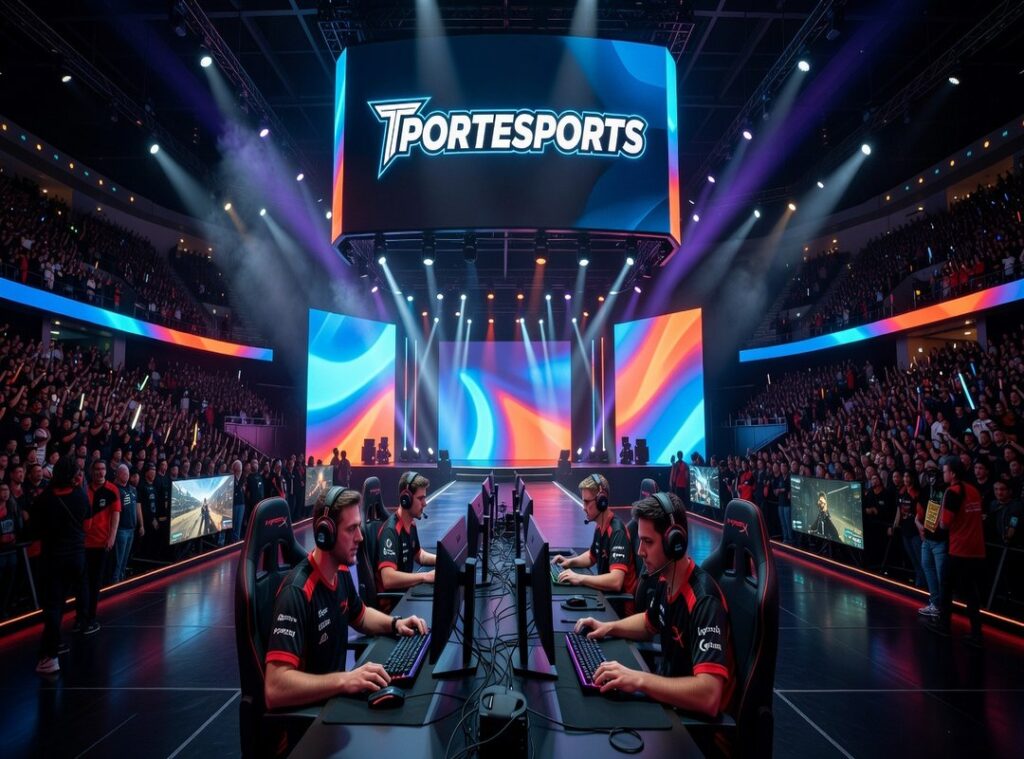
I’ve stood in that arena.
The floor shakes. Ten thousand people scream. A single play decides a $2 million prize.
Then I log into an online qualifier at 2 a.m. and watch three players sit silent, headphones on, fingers flying (no) crowd, no lights, just raw skill and a ticking clock.
That’s the split reality of competitive gaming events.
This isn’t about hype or highlights. It’s about how things actually work.
Who runs these events? Not just the flashy names (the) local orgs, the unpaid volunteers, the regional partners holding it all together.
How do players get in? It’s not just “win online.” It’s tiered paths, visa hurdles, roster locks, and sponsor pressure.
I’ve mapped the structures behind League of Legends’ LEC, Dota 2’s regional qualifiers, CS2’s BLAST.tv circuit, and Valorant’s Masters system. Not just the headlines. The contracts, the payout delays, the last-minute venue swaps.
You want to compete? You need to know which events are legit (and) which ones vanish after the first round.
You want to follow the scene? You need to understand why some tournaments pay six figures and others offer only exposure.
This guide cuts through the noise. No fluff. No jargon.
Just how it works. From basement LANs to sold-out stadiums.
You’ll walk away knowing exactly where Tportesports fits in. And what it really takes to be part of it.
How Competitive Gaming Events Actually Work
I’ve watched more qualifiers than I care to admit. And I still get chills when the Grand Finals stage lights hit the players’ faces.
It starts raw: open qualifiers. Anyone with a mic and decent ping can jump in. You hear keyboards clacking, teammates yelling over comms, that low hum of 500 people all sweating in the same Discord server.
Then it tightens. Closed qualifiers. Fewer slots.
Better teams. More pressure. The air gets thicker (like) walking into a gym right after someone dropped heavy weights.
Regional leagues follow. Weekly matches. Fixed rosters.
Real stakes. Teams practice six hours a day just to stay in the top eight.
Majors come next. International. Broadcasts in four languages.
Crowd noise so loud you can’t hear your own voice (I tried once. It didn’t go well).
World championships? That’s where everything breaks open. The TI regional qualifiers feed into one massive event (no) safety net.
VALORANT’s Challengers lead to Masters, then Champions. No shortcuts.
Organizers like Riot or Valve set the rules. Third-party platforms like FaceIt handle matchmaking logistics. Community-run events?
They’re scrappy, loud, and often way more fun.
Swiss format? Used early to sort skill fast. Double-elimination?
Gives teams a second chance. And drama. Single-elimination?
Pure fire. No mercy.
Scheduling is brutal. Weekly leagues mean rosters change constantly. Monthly events let teams breathe.
Seasonal ones force long-term plan.
If you want to understand how it all fits together, this guide breaks it down without fluff.
You ever watch a team lose in qualifiers… then win Worlds six months later? Yeah. That happens.
Who Pays for Esports (And) Why You Should Care
I’ve sat in on six different tournament contracts. Some paid on time. Some didn’t pay at all.
You can read more about this in Tportesports.
Publisher money funds most big events. That means Riot, Blizzard, or Valve control the rules, the schedule, the bans. They care about their game’s health.
Not your paycheck.
Sponsors? Energy drinks, GPU brands, crypto apps. They want eyeballs.
Not fairness. So you’ll see flashy stages and zero transparency on how prize pools are split.
Media rights deals are invisible to players.
But they’re why some tournaments vanish overnight (when) the stream deal ends, so does the event.
Ticket and merch revenue? Rarely touches player wallets. Most teams get a flat appearance fee (if) they’re lucky.
Revenue sharing is a myth unless it’s written down. Prize money gets cut three ways: organizer, team org, then maybe the player. And “maybe” is doing heavy lifting here.
Tportesports once ran a $50K open. But paid winners 90 days late. No explanation.
Just silence.
Red flags? Vague eligibility terms. No payout timeline.
Regional payment blocks that hit Southeast Asian or Latin American players hardest.
Ask yourself: Who wins when the lights go out? Not you. Not usually.
How to Actually Get Into Real Esports Events

I’ve watched too many teams register, panic, then drop out two days before match day.
Liquipedia is your first stop. It’s updated hourly and crowdsourced by people who live this stuff. Esports Charts shows prize pools and viewership (useful) if you care about legitimacy (and you should).
Official game portals? Always check those. Riot’s LoL Esports site or Valve’s Dota 2 tournament page don’t lie.
Discord communities? Hit up the official ones. Not random “pro team” servers run by teens with no track record.
You can read more about this in this article.
Toornament is fine for smaller events. But it’s a tournament aggregator, not a validator. Treat it like a menu (not) the chef.
Registration deadlines hit fast. Miss one? You’re out.
No appeals. Roster verification means ID scans, platform-linked accounts, and sometimes signed contracts.
Hardware requirements aren’t suggestions. If they say “no overclocking,” don’t overclock. Anti-cheat compliance isn’t optional.
It’s mandatory.
Time zones? Double-check every match time in your local zone. Not UTC.
Not EST. Yours.
Here’s what I tell amateur teams: Start prep two weeks out. Scrim twice daily. Watch VODs (focus) on decision timing, not just kills.
Patch changes? Prioritize meta shifts over hero stats.
Mental readiness isn’t fluff. Sleep matters more than extra practice.
Missing documentation is the #1 reason teams get disqualified. Test your stream setup before the event. Region locks are real.
Read them twice.
Before you register:
- Verify government ID
- Sign team contracts
- Let platform permissions (Steam, Epic, etc.)
- Confirm all roster accounts are linked
- Check anti-cheat opt-in status
- Review region eligibility
The Difference between gamer and player tportesports isn’t academic. It’s how you show up.
What Makes a Competitive Gaming Event Worth Your Time. Beyond
Prize money lies. It’s flashy. It’s easy to measure.
But it rarely predicts your next contract.
I’ve watched players win $50k in an unranked cup and get ignored by orgs for six months. Meanwhile, someone with three top-3 finishes in Tier-2 events got scouted at a LAN I helped run. (Yes, that happened last fall.)
Verified performance data matters more than you think. Scouts don’t trust your self-reported stats. They want logs.
VODs. Consistent placement across real brackets.
Networking isn’t just “meeting people.” It’s getting added to a coach’s private Discord after they review your demo reel. It’s sitting next to a caster who asks you to co-host their next stream.
Inclusivity isn’t a checkbox. If the event doesn’t offer colorblind modes or enforce anti-harassment rules publicly? Walk away.
I have.
Predatory events charge $40 to enter and hide payout structures behind vague “discretionary bonuses.” Legit ones publish judging rubrics before registration.
Tportesports runs open qualifiers with live stat feeds and post-event analyst feedback. No gatekeeping.
One finish won’t make your career. Consistency builds credibility.
You already know which events feel hollow. Trust that instinct.
Skip the glitter. Show up where your play gets seen (and) verified.
Your First Match Starts Now
I’ve been there. Staring at Liquipedia, wondering which event is real and which one vanishes after registration.
You don’t need more theory. You need to do something (before) doubt kicks in again.
That’s why I gave you three filters: clear rules, proof of past events, and open communication. Not fluff. Not hope.
Actual checks.
Most people wait for “the right time.” There is no right time. There’s only this qualifier. This week.
Go to Liquipedia right now. Pick one. Verify your eligibility.
Submit your roster (even) if it’s just to see how the system responds.
It’s not about winning yet. It’s about showing up as someone who belongs.
Tportesports doesn’t reward spectators.
Your first match isn’t about winning. It’s about claiming your place in the space.


