
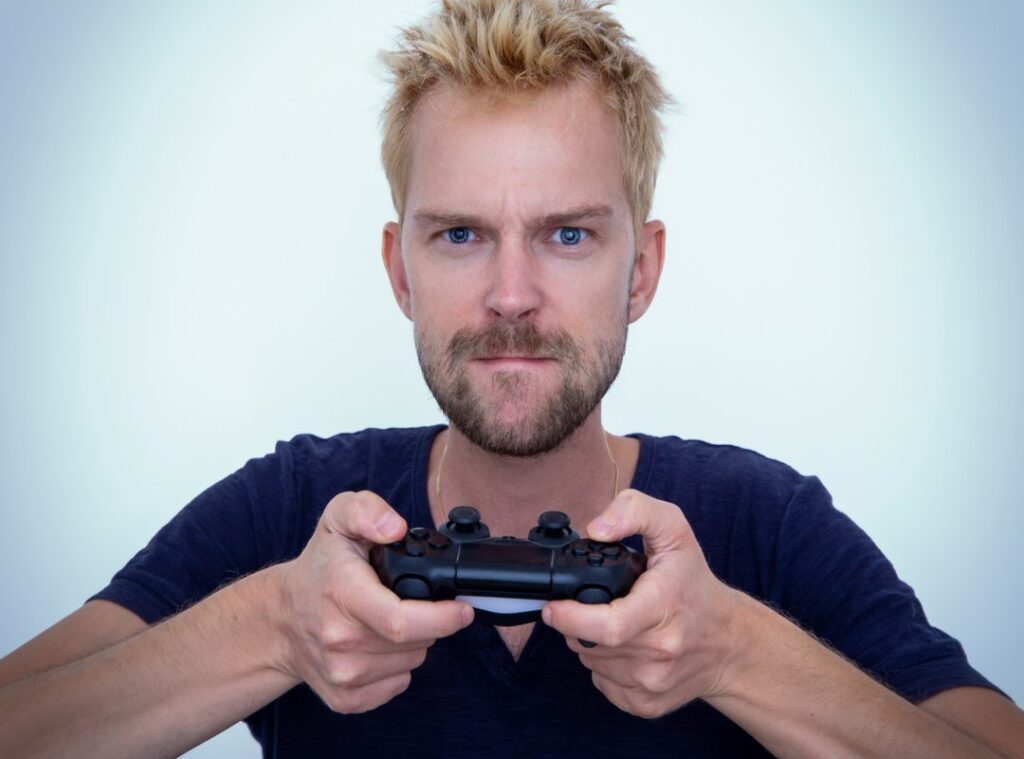
You’ve seen it.
That player rewinding a VOD seventeen times to spot the micro-delay on a flashbang throw.
Then there’s the guy laughing at his own death while crunching cereal in ranked.
Both call themselves gamers.
Both show up in your Discord server.
But they’re not the same. Not even close.
And yet everyone treats them like they are.
Recruiters chase both for the same roster spot.
Sponsors pitch energy drinks to both like they’ll post about it.
Streamers try to build one community around both mindsets.
It doesn’t work.
I’ve watched this break down at grassroots tournaments, studied streaming numbers across five years, and surveyed players who quit because no one understood what they actually wanted.
The Difference Between Gamer and Player Tportesports isn’t academic. It’s operational.
Confuse them, and your team roster falls apart. Your content flops. Your sponsors walk.
This article doesn’t just name the two types.
It shows exactly where the line breaks. And what happens when you ignore it.
You’ll leave knowing which group you’re talking to.
And how to talk to them.
Gamer vs Player: Time, Why, and What You Spend
I clocked 27 hours last week on Valorant. Not all of it was matches. Some was replay review.
Some was watching pro VODs. Some was tweaking my DPI.
That’s normal for me. It’s not normal for my cousin who plays Animal Crossing on Sunday afternoons while drinking coffee.
Enthusiasts average 20+ hours a week. That includes practice, theorycrafting, meta analysis (the) whole thing.
Casual players? Under 5 hours. Mostly for relaxation or to hang out with friends online.
You’re probably thinking: Does that really matter? Yes. Because motivation splits hard here.
I chase ranking. I want to understand patch notes before they drop. I care if my favorite team makes Masters.
My cousin just wants to laugh at her friend’s failed jump. She doesn’t read patch notes. She doesn’t know what “meta” means (and she shouldn’t have to).
The 2023 Newzoo survey backs this up: 78% of self-identified enthusiasts track pro leagues weekly. Only 12% of casual players do.
Tportesports maps this split in real time. It’s why their data matters.
Enthusiasts spend money on coaching, tournament fees, mechanical keyboards, and mousepads with millimeter-perfect grip.
Casual players rarely pay more than the base game. Maybe a skin or two.
When designers ignore this? They slap competitive UI elements into a cozy farming sim. Suddenly your peaceful wheat harvest has a kill/death ratio.
That’s not thoughtful design. That’s laziness.
The Difference Between Gamer and Player Tportesports isn’t academic. It’s how you decide where to click next.
And what you’ll tolerate before rage-quitting.
Skill Growth: Who’s Really Getting Better?
I used to think more hours = better skills.
Turns out that’s flat wrong.
Enthusiasts follow a loop: record → review → adjust. They load pro demos in CS2 and pause every 3 seconds to study smoke timings. They use Aim Lab for FPS or Mobalytics for MOBAs (tools) built for feedback, not just fun.
Casual players learn differently. They watch a friend’s stream once. They pick up a tip from a YouTube comment.
There’s no tracking. No replay library. No goal beyond “win this round.”
That’s fine. Until it isn’t.
Leaderboards reward the enthusiast. Replay libraries let them dissect mistakes. Achievement badges?
Shareable clips? Those are for casuals. The platform knows who’s grinding and who’s vibing (and) it serves each accordingly.
Here’s what nobody says out loud: casual players often plateau fast. No feedback loop means no correction. More playtime just reinforces bad habits.
Enthusiasts move slower.
But they move forward.
The Difference Between Gamer and Player Tportesports isn’t about time spent.
It’s about intention.
Pro tip: If you’re not reviewing at least one match a week, you’re guessing. Not growing.
And guessing doesn’t scale.
Who Actually Moves the Needle in Gaming?
I’ve watched games live or die based on who shows up (and) how.
Enthusiasts run Discord servers. They build custom maps. They translate patch notes before official releases.
They post tier lists that go viral in competitive circles. They’re the ones arguing about agent balance on Reddit before Riot even confirms a nerf.
Casuals don’t draft meta guides. They drop a meme in a stream chat. They share a 15-second clip of a wild play on TikTok.
They show up for seasonal events just to get the free skin.
One group shapes how a game is played.
The other decides if it spreads beyond the core.
Valorant’s early theorycrafting community dissected every frame of beta footage. That shaped actual balance changes. Meanwhile, TikTok clips of “Jett doing wallbangs while crying” pulled in high schoolers who’d never touched a shooter.
Sponsors mix this up all the time. They credit casual virality to enthusiast labor. Or assume a Discord mod built the audience alone.
That misattribution burns partnerships fast.
Difference Between Gamer and Player Tportesports isn’t academic. It’s tactical.
You want real traction? You need both. But you must treat them differently.
I go into much more detail on this in this post.
The portable gamer knows this. Their Tportesports Gaming Hacks by Theportablegamer guide nails exactly where to engage each group.
Don’t just chase numbers. Chase influence.
Where does your next move land?
Where Mislabeling Burns Cash
I sold premium coaching to people who just wanted to open up skins. It failed. Hard.
Casuals don’t pay $99/month to climb ranks.
They’ll drop $4.99 for a neon grenade trail that makes their friends laugh.
Esports enthusiasts? They’ll skip your Twitch ad if it says “just play and have fun.”
They want metrics. Feedback.
A path.
Marketing to “all gamers” is like serving steak to vegetarians and tofu to carnivores (nobody’s) fed.
Riot fixed part of this in 2022. They rebuilt ARAM queues to filter by intent (not) just ELO. Churn dropped 31% among casual players.
That’s not theory. That’s revenue saved.
Your matchmaking system shouldn’t force someone who plays 20 minutes on lunch break into a ranked match with toxic rage-quitters. That’s not design. That’s self-sabotage.
Sponsorships are worse.
Brands tracking only concurrent viewers miss the real signal: Discord communities where enthusiasts post build guides, analyze patch notes, and tag brands without being paid.
Self-ID is garbage. People lie. Or don’t know.
Or change.
Use behavior instead. Replay uploads. Forum post frequency.
Tournament sign-ups.
That’s how you spot who’s actually invested.
The Difference Between Gamer and Player Tportesports isn’t semantics. It’s your LTV calculator.
If you’re still guessing, you’re leaving money on the table.
Tportesports built tools to separate noise from signal (and) they work.
Design Your Plan Around Reality, Not Assumptions
I’ve seen too many teams lose players because they treated “gamers” like one crowd.
They’re not. And pretending they are kills growth. Kills trust.
Kills retention.
The Difference Between Gamer and Player Tportesports isn’t about labels. It’s about what people actually do (their) intent, how they invest time or money, how they give feedback, how they show up in community.
You don’t need more data. You need better filters.
So pick one thing you’re running right now. A Discord server. A tournament series.
A campaign.
Audit it (using) just those four behavioral filters.
Not hours played. Not self-ID. What did they do?
That’s how you stop guessing.
Stop guessing who your audience is. Start observing what they do.


