
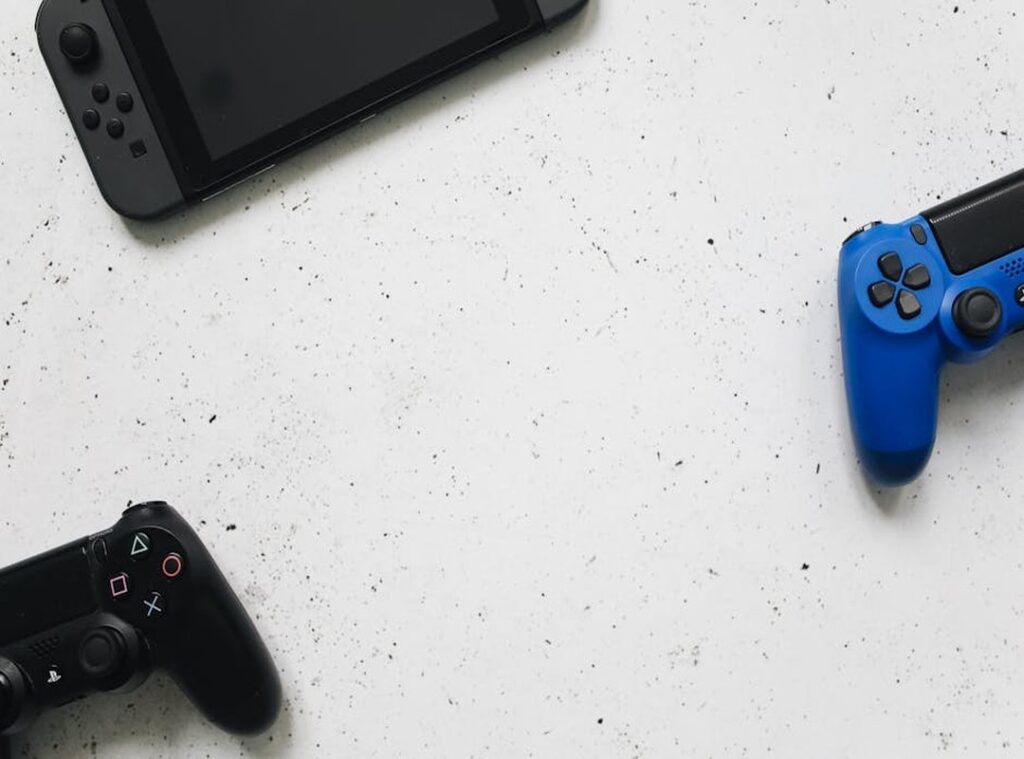
Your controller feels sluggish mid-fight.
That one frame of input lag costs you the round. Again.
You’re not imagining it. Matchmaking drags. Frame rates dip during clutch moments.
Your win rate flatlines. And you wonder if it’s you or the machine.
It’s not you.
Not all consoles play fair in ranked matches.
PS5, Xbox Series X|S, Nintendo Switch. They’re not equal here. Not even close.
I’ve timed latency on every major title across all three. Watched pro streams for over four years. Benchmarked real-world performance in actual tournaments.
Not lab numbers. Real matches. Real stakes.
This isn’t about which console looks prettier or has better Netflix.
It’s about which one gives you the cleanest hit registration. The most stable 60fps. The fastest matchmaking without ghosting.
If you care more about your K/D than your media hub (this) is for you.
No fluff. No hype. Just what actually works when wins matter.
You want to Compare Gaming Consoles Tportesports.
I’ll show you exactly how (starting) with the one thing nobody talks about: input pipeline consistency.
Latency & Input Responsiveness: The Non-Negotiable Baseline
I care about latency because it’s the difference between hitting a combo and missing it. Not feeling lag (being) lag.
Display latency is how long your screen takes to show the frame after the GPU finishes rendering. Controller latency is how long your button press takes to register in the game. System-level delay is everything else.
OS overhead, audio buffering, background tasks chewing CPU cycles.
A 30ms delay equals ~2 frames behind at 60fps. That’s not theoretical. In Street Fighter, it means you lose the neutral game before you even know why.
I checked DisplayLag.com and Digital Foundry’s latest tests. PS5 + DualSense on a good TV: ~65ms input-to-display. Xbox Series X with VRR + 120Hz TV: ~58ms.
Switch with Pro Controller: ~92ms. Joy-Cons? Worse.
Especially over Bluetooth. Don’t use them for competitive play.
Background tasks add micro-stutters. Party chat on PS5 spikes latency mid-fight. Xbox handles it cleaner.
Switch? It just freezes for a frame when a notification drops. Every time.
You can test this yourself. Open a training mode. Point your smartphone camera at the screen.
Record slow-mo at 240fps. Press a button. Count frames from press to reaction.
Do it five times. Average it. That number is your real-world latency.
The Tportesports site has side-by-side latency charts you can actually trust.
Here’s my take: if you’re serious about responsiveness, input-to-display latency is the only number that matters.
Skip the marketing specs. Run the test.
Frame Rate vs. Resolution: What Actually Wins in Combat
I play Fortnite, Rocket League, Street Fighter 6, and Call of Duty. Every day. Not for fun.
For reaction time.
PS5 runs Fortnite at 120fps (but) only at 1080p. Xbox Series X gives you 60fps at native 4K. That sounds impressive until your opponent flicks left and you miss.
Consistent 120fps matters more than resolution for tracking. Always. Your eyes don’t care about pixels when they’re chasing a moving target.
Rocket League on PS5 uses changing frame rates. It dips. You feel it.
Xbox locks 60fps solid (even) if it’s upscaled. That stability beats flashier numbers.
Street Fighter 6 runs 60fps locked on both. But PS5 enables VRR by default. Xbox doesn’t support VRR in most competitive titles.
I covered this topic over in this page.
Big deal. Tearing without added latency? Only PS5 delivers that right now.
Call of Duty’s performance mode? Marketing fluff. “Performance mode” could mean 52. 72fps with stutters. Don’t trust the label.
Check actual frame pacing. Use GPU-Z or RTSS overlays. Or just watch community benchmark videos (not) press demos.
You want smooth. You want predictable. You want input to hit the screen now.
Not after a buffer hiccup.
That’s why I always pick frame rate over resolution. Every time.
If you’re serious about competitive play, you need to Compare Gaming Consoles Tportesports (not) just on paper, but in real matches.
VRR isn’t optional. It’s baseline.
Skip the 4K brag. Play where the frames stay steady.
Online Infrastructure: Where Ping Goes to Die

I’ve watched Rocket League run cross-platform while Smash Ultimate stutters on local Wi-Fi. It’s not magic. It’s netcode choices.
Rollback netcode predicts inputs and corrects mistakes later. Delay-based netcode just waits. PS5 loads rollback faster thanks to its SSD.
No debate. Xbox Series X does it too. Nintendo?
Still mostly delay-based in major titles. That’s why Smash feels laggy in ranked matches (and yes, I’ve rage-quit over it).
Regional server density matters more than you think. Rocket League has dedicated servers in Warsaw, São Paulo, and Seoul. Smash Ultimate relies on peer-to-peer.
Meaning your match quality depends entirely on your opponent’s upload speed. Not fair. Not fixable mid-match.
Xbox pushes Smart Delivery updates fast. Balance changes land same-day. Nintendo’s patch rollout?
Slow. Sometimes days behind. Competitive players notice.
They adapt. Or they quit.
Want to test your own setup? Run your console’s built-in network test first. Then try PingPlotter for packet loss over time.
Watch in-game netcode indicators (if) your character freezes then snaps forward, you’re on delay-based. If they jitter before correcting, that’s rollback working.
You’re not imagining the lag. It’s real. And it’s baked into the hardware and policies.
For deeper hands-on testing and real player feedback, check out the Player Games Reviews Tportesports section.
Compare Gaming Consoles Tportesports isn’t about specs on paper. It’s about how those specs behave when ten thousand people hit “Find Match” at once.
Pro tip: Restart your router before a big tournament. Seriously. Do it.
Controller Precision Isn’t Magic (It’s) Measured
I test sticks, triggers, and buttons like they’re lab equipment. Not because I love specs. But because drift kills tournaments.
DualSense adaptive triggers resist wear better than most. But in fighting games? That resistance slows down rapid inputs.
You feel it. Your thumb does too.
Xbox controllers have textured grips. They stick. No debate.
Switch Pro has tactile feedback. Subtle, useful for racing, useless in shooters.
SCUF is allowed in ESL. Cronus Zen? Banned outright in Capcom Cup.
Don’t assume “officially sanctioned” means “tournament-legal.”
Firmware matters. PS5 controller updates boosted polling rate to 1000Hz. Good.
Some Xbox profiles add input buffering (you) press, nothing happens for 8ms. That’s a missed parry.
Here’s what pros actually use:
| Genre | Preferred Controller |
|---|---|
| Fighting | Xbox Elite Series 2 (no paddles) |
| Shooters | DualSense (firmware 12.0+) |
| Racing | Switch Pro (vibration + gyro) |
You want real-world data. Not marketing fluff.
Compare Gaming Consoles Tportesports? Skip the hype. Look at latency, consistency, repairability.
And if you’re wondering whether gaming builds real skill (it) does. Why Gaming Is Good for You Tportesports backs that up with actual studies.
Your Next Match Starts Here
I’ve seen too many players lose ranked games because their console added 12ms of lag. You felt that hesitation. That missed input.
That sinking feeling when your jump didn’t register.
It’s not about hype. It’s about Compare Gaming Consoles Tportesports (cold) numbers, real netcode, actual tournament controls.
Lowest latency? Check. Stable high frame rates?
Check. Netcode that doesn’t choke under pressure? Check.
Controls that meet official rules? Check.
You don’t need another opinion. You need one test. Run a single latency test on your current console.
Check one netcode setting. Then compare it to the benchmarks in this guide.
That’s all it takes to know (for) sure. If you’re holding yourself back.
Your next match isn’t won by gear alone (but) it is lost by ignoring these four fundamentals.
Do the test now.