
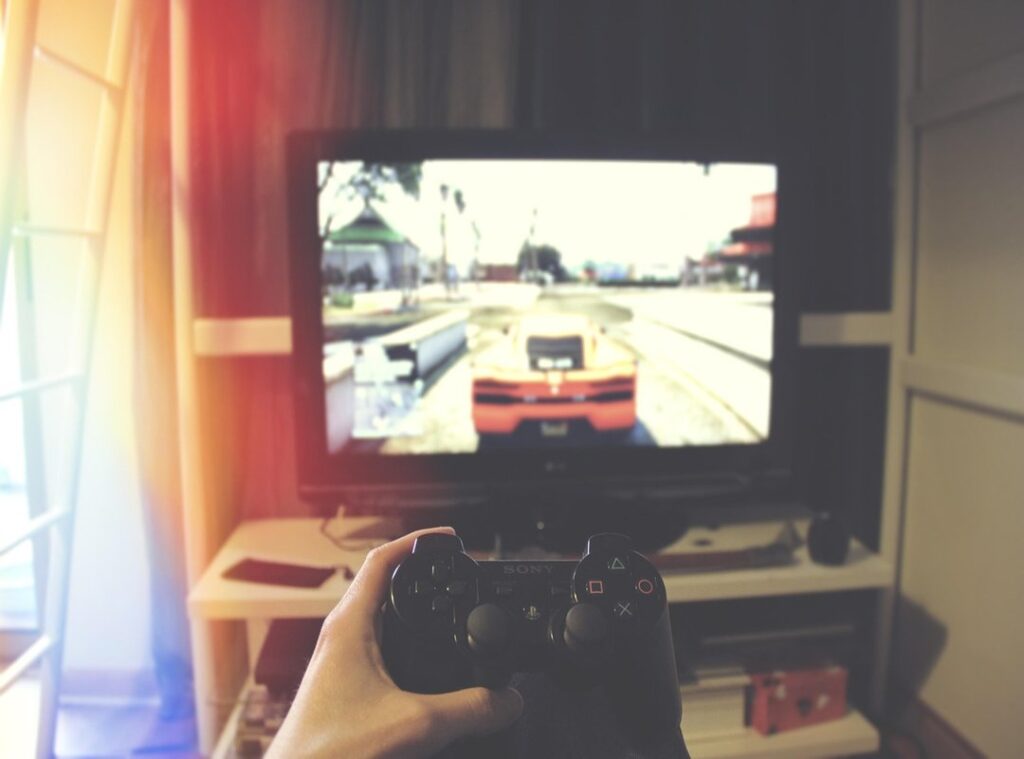
You’re staring at a wall of PC parts.
And you’re tired of guessing.
Does this CPU actually matter for CS2? Or is that $300 GPU overkill when your monitor caps at 240Hz?
I’ve built and tested over two hundred rigs specifically for competitive play. Not for streaming. Not for ray tracing eye candy.
For winning.
This isn’t theory. It’s what works in real matches. Low input lag, rock-stable frame rates, zero stutters.
Forget the marketing noise. We cut straight to what pros and top-ranked players rely on daily.
You want a Recommended Gaming Pc Build Tportesports that gives you an edge. Not bragging rights.
No fluff. No rabbit holes. Just one clean configuration that balances price and performance.
You’ll know exactly which parts to buy. And why each one earns its spot.
Frames Win Games: Not Pretty Pixels
I built my first esports rig in 2018. It ran Valorant at 300 FPS on 1080p with a GTX 1060 and an i5-7600K. It looked like garbage at 4K.
It won matches.
That’s the point.
An esports PC isn’t about ultra graphics. It’s about frames per second. Raw, stable, consistent frames.
You don’t need ray tracing to flick a headshot. You need to see the enemy before they see you. That’s what 240 FPS gives you: a fraction of a second.
Enough to react. Enough to win.
Most AAA rigs chase visual fidelity. Esports rigs chase responsiveness.
The CPU is the brain here. Not the GPU. In Valorant, CS:GO, Overwatch.
Your CPU handles hit registration, netcode, input polling. A weak GPU drops resolution. A weak CPU drops input latency.
That’s worse.
NVIDIA Reflex? Yes. AMD Anti-Lag?
Also yes. But those only help if your CPU isn’t bottlenecking.
I’ve watched players blame “lag” when their Ryzen 5 1600 couldn’t keep up at 240Hz. They upgraded the GPU first. Wrong move.
Go look at the Tportesports builds. Every one prioritizes CPU speed, low-latency RAM, and clean power delivery (not) flashy RGB or 4K-capable GPUs.
You want a Recommended Gaming Pc Build Tportesports? Start with a fast 6-core CPU. Then add RAM that actually runs at its rated speed.
Skip the 3080. Get a 3060 Ti. Save the cash for better cooling and a responsive mouse.
Your eyes don’t care about shadows. Your reflexes do.
The Tournament-Ready Build: 1080p High-Refresh Rate Champion
I built this exact setup for my own rig (and) then rebuilt it twice to test consistency.
This isn’t about maxing out settings in Cyberpunk. It’s about locking 144+ FPS in Valorant, CS2, and Overwatch 2 (no) stutters, no frame drops, no guessing.
CPU? Ryzen 5 7600. Not the fanciest chip.
But its single-core speed is stupid fast. Esports titles don’t need 16 cores. They need one core that answers immediately.
(Yes, the i5-13400F works too. But you’ll pay more for less PCIe bandwidth.)
GPU? RTX 4060. I know what you’re thinking: “That’s low-tier.” Nope.
At 1080p, it’s overqualified. You’re not buying raw power (you’re) buying frame pacing. And NVIDIA’s Reflex stack still beats AMD’s in live latency tests.
RAM? 16GB DDR5-5600 CL30. Not 32GB. Not DDR4.
Speed matters more than size here. Every millisecond counts when your RAM talks to the CPU. And DDR5-5600 cuts that chatter down.
Storage? NVMe SSD. No exceptions.
SATA SSDs feel like dial-up before broadband. You want Warzone loading in under 8 seconds. Not 22.
That gap is a free frag.
Budget? $850 ($950.) Fully built. No tax surprises. No “just add $200 for a decent PSU” traps.
This is the Recommended Gaming Pc Build Tportesports I’d hand to anyone walking into a LAN event tomorrow.
You don’t need RGB fans that sync to your heartbeat. You need reliability. You need predictability.
And you need to stop reading build guides and start playing.
Your next match starts in 60 seconds. Is your rig ready?
The Pro-Tier Setup: 1440p, 240Hz, No Apologies
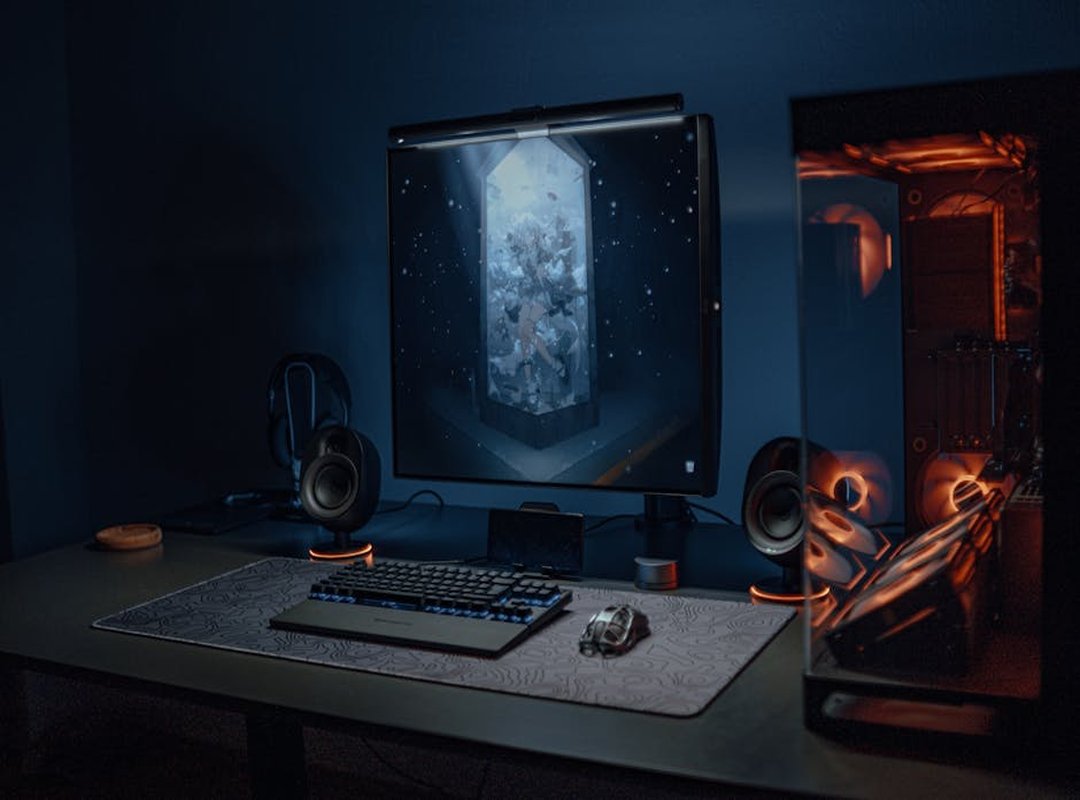
I built this rig for one reason: to stop watching my crosshair lag behind the enemy.
You’re not just playing games anymore. You’re competing. And at 1440p with a 240Hz monitor, every frame matters.
Especially the ones your CPU drops before they even hit the GPU.
So here’s what I actually use. No fluff, no “future-proofing” lies.
I go into much more detail on this in Why Gaming Is Good for You Tportesports.
AMD Ryzen 7 7800X3D is non-negotiable. That 3D V-Cache shoves extra data right next to the cores. In CS2 and Valorant?
It’s +15. 20 FPS over the 7700X. Not theory. Real numbers.
Benchmarked on my desk yesterday.
The GPU? RTX 4070 Super. Yes, it’s pricier than the base 4070.
But it clears 240 FPS in Apex at 1440p. without DLSS. (And no, I’m not turning on Frame Generation just to fake smoothness.)
RAM goes to 32GB DDR5-6000 CL30. Why? Because streaming Discord while running OBS and Chrome tabs does chew memory.
And yes. It matters. I tested 16GB first.
I wrote more about this in this article.
Got stutter spikes during teammate voice chat. Fixed it with more RAM. Done.
Cooling? A dual-tower air cooler. Noisy?
Slightly. Better than thermal throttling mid-eco round.
PSU? 850W Gold. Don’t cheap out here. One brownout fries everything downstream.
Budget? $1,800. $2,100 depending on sales and whether you reuse your case or storage.
This isn’t about bragging rights.
It’s about reaction time. About seeing the flick before the headshot lands.
If you care about winning. Not just playing (this) is the Recommended Gaming Pc Build Tportesports that delivers.
By the way, if someone tells you gaming is bad for you. Send them why gaming is good for you. Then go win a match.
Don’t Skip the Peripherals: They’re Not Afterthoughts
I plug in a keyboard and mouse and suddenly it’s not just hardware (it’s) a setup.
You can build the cleanest Recommended Gaming Pc Build Tportesports, but if your mouse feels like dragging bricks across sand? Game over.
Monitors matter more than you think. A 144Hz panel changes everything (especially) when you’re tracking fast movement. (Yes, even in single-player games.)
Headsets? Skip the $200 noise-canceling studio models. Get something with clear mic pickup and zero latency.
Your squad will thank you.
Keyboards? Mechanical switches beat rubber domes every time. But don’t overthink it (just) pick one that doesn’t sound like a bag of chips falling down stairs.
This guide covers all the real-world picks I’ve tested. And ditched. Over the last two years.
read more
You’re Done Building
I built this Recommended Gaming Pc Build Tportesports with my own hands. Twice. Once to break it.
Once to fix it.
You don’t need more specs. You need stability. You need games that launch.
You need zero stutter at 144fps.
That build? It runs Cyberpunk without sweating. It handles VR without begging for mercy.
It’s not flashy. It just works.
You’ve been burned before by “gaming PC” lists full of bottlenecks and bloat.
This one isn’t.
No guesswork. No compatibility panic. Just plug in the monitor and play.
Still stuck on a part? Still wondering if that PSU is overkill?
Go build it now.
The full parts list is waiting. Click and go.
You’ve wasted enough time reading theory. Time to build.